An old terracotta floor can almost always be restored. The process involves stripping it to remove old wax and stains, cleaning it thoroughly, allowing it to dry completely, and sealing the pores with linseed oil or specific waxes. Subsequent maintenance is done with water and neutral soap, avoiding strong acids. With proper care, terracotta retains its patina and warmth for decades. In old farmhouses and country homes in Mallorca, it is one of the floors most worth restoring.
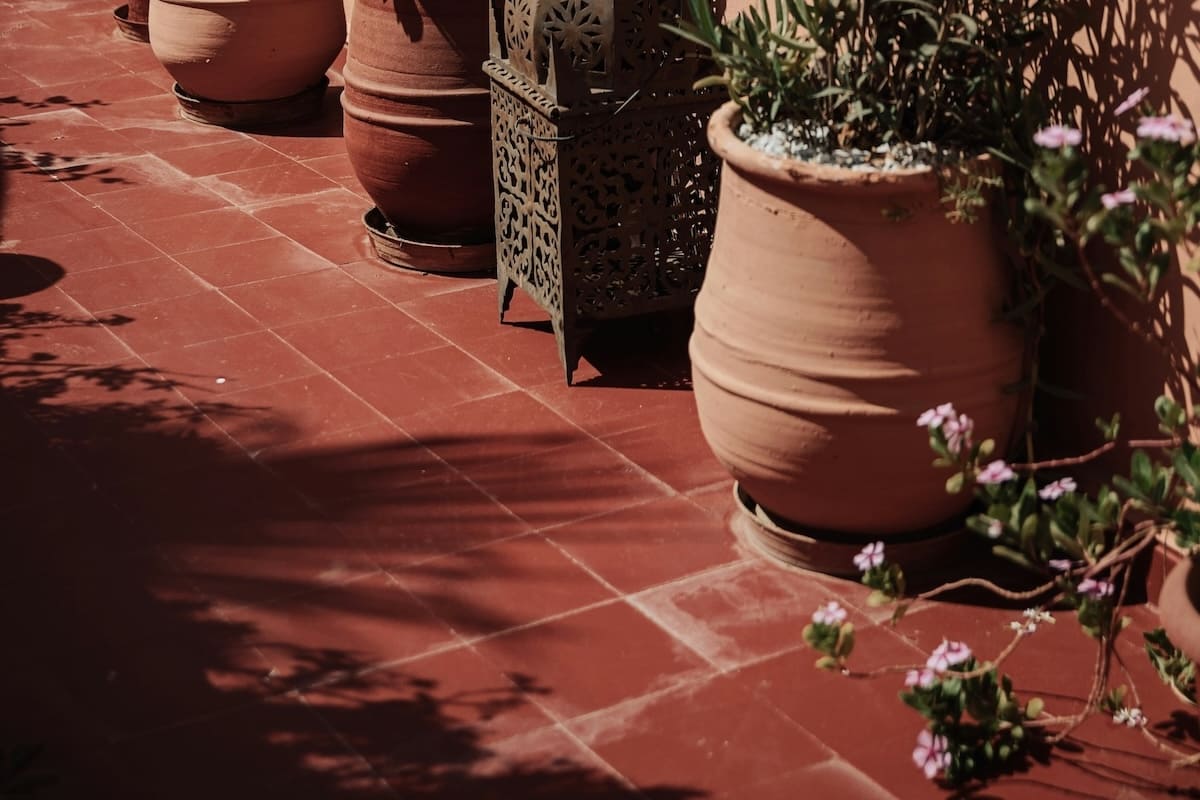
Terracotta floors have a soul. That warm, rustic terracotta found in traditional Mallorcan farmhouses and villas tells a story, which is why it's a shame to see it dull, stained, or with blackened, old wax. The good news is that terracotta ages well and can almost always be restored without removing it. It requires method and patience, but the result is worth it: a floor that breathes again and displays its original color, preserving all its character.
Is it possible to restore a very old terracotta floor?
Yes, an old terracotta floor can almost always be restored, no matter how deteriorated it may seem. Clay is a porous and durable material that can be stripped, thoroughly cleaned, and resealed, regaining its original color and patina.
What is often seen as "lost" is actually the layer of wax and dirt accumulated over the years, not the clay itself. Beneath that dark, sticky veil lies sound terracotta waiting to emerge. Clay doesn't wear down like other materials; it ages, which is different. Therefore, before considering removing an old clay floor in a Mallorcan property, it's worth assessing its restoration. In most cases, it's cheaper and preserves the property's value. The same applies to other historical paving materials, as we explain in our guide on... restoration of old floors.
How do you restore a terracotta floor step by step?
- Strip the floor with a specific product and hot water to remove old waxes, grease and ingrained stains.
- Brush the dirtiest areas, either by hand or with a rotary brush, to erode the damaged surface layer.
- Vacuum and scrub thoroughly with neutral detergent until the mud is clean.
- Allow to dry completely, for about 24 hours, in well-ventilated rooms.
- Apply the sealing treatment: linseed oil or specific waxes that close the pore.
- Polish the finish and, if necessary, apply a second protective layer.
The order matters. Sealing a poorly dried or poorly cleaned floor traps dirt and moisture underneath, and the result won't last. Each step has its time, and skipping the drying stage is the most common mistake.
How do you clean terracotta without damaging its patina?
Terracotta should be cleaned with hot water and a neutral detergent, avoiding strong acids and abrasive products that can damage the patina and sealant. The patina is the beautiful layer that the clay develops over time, and it's important to respect it.
For regular cleaning, simply vacuum thoroughly and mop with lukewarm water and mild soap. If the water in your area is very hard and leaves limescale, you can occasionally use a mild mixture of water and a little white vinegar, as this will not remove the protective coating. What you should avoid are harsh acidic cleaners, hydrochloric acid, and metal scouring pads, which open the pores and remove the sealant, leaving the clay vulnerable. Less product and more consistency is the golden rule with terracotta.
What do you use to seal a terracotta floor?
A terracotta floor is traditionally sealed with linseed oil, which penetrates the pores and gives it a natural, slightly glossy finish, although specific waxes and modern water-repellent treatments are also used. Sealing is what protects the terracotta from stains and moisture.
Linseed oil is the tried-and-true method that still works: it nourishes the terracotta, enhances its warm color, and protects it. It requires several coats and drying time between them, but the result is a living, breathable floor. Waxes provide a slightly shinier finish and are easy to renew. And there are modern water repellents that repel water while allowing the clay to breathe, useful in damp or outdoor areas. The choice depends on the room's use and the desired finish. A professional knows which product is best suited to each floor, something we value as part of the treatment. floor restoration in Mallorca.
How much does it cost to restore an old clay floor?
The price of restoring an old terracotta floor varies depending on the condition of the floor, the surface, and the type of sealant, so a quote is always given after viewing it. Terracotta with a lot of old wax and stains requires more stripping work than one that is simply dull.
The most cost-intensive part is the stripping: removing decades of blackened wax and ingrained stains takes time and is the most laborious aspect of the process. The type of sealant also matters, as a treatment with several coats of linseed oil is not the same as a simple wax. That's why it doesn't make sense to give a price without seeing the floor. We measure it, assess its actual condition, and provide a free, fixed-price quote. This way, you know the cost before we even begin.
How do you maintain a clay floor once it has been restored?
A restored clay floor is maintained by mopping it with water and neutral soap, and by renewing the sealant when the clay begins to lose its protective coating, usually every few years depending on use. Maintenance is simple if done gently and consistently.
Once sealed, clay repels water and dirt effectively, reducing daily maintenance to a simple cleaning. Spills, especially oil or wine, should be wiped up promptly before they soak in. Over time, high-traffic areas will lose their shine and protective coating; simply reapply the oil or wax to that area without repeating the entire process. With proper care, a terracotta floor can last for generations, as demonstrated by the old houses in Mallorca that have preserved it for over a century.
When NOT to restore mud yourself and call a professional
DIY projects have their limits when it comes to mud. It's best to call a professional when:
- The floor has a lot of old, blackened wax that homemade stripping doesn't remove.
- There are deep stains from grease, rust, or moisture that require specific treatment.
- The clay is broken up or has loose pieces that need to be consolidated or replaced.
- It is a large surface or a piece of land of historical value that does not allow for mistakes.
In these cases, improper stripping or sealing can leave the floor in worse condition and stained in ways that are difficult to correct. If you have any doubts, a professional assessment will save you a lot of trouble.
Frequently asked questions about the restoration of terracotta floors
Can a terracotta floor covered in stains and old wax be restored?
Yes, a terracotta floor with stains and old wax can almost always be restored. What appears dark is usually the layer of wax and accumulated dirt, not the damaged clay itself. With stripping to remove that layer, a thorough cleaning, and a new seal, the terracotta will regain its original color. Only in cases of severely disintegrated clay are pieces necessary to replace.
What do you use to seal an old terracotta floor?
An old terracotta floor is traditionally sealed with linseed oil, which penetrates the pores and enhances its warm color, although specific waxes and modern water repellents are also used. Linseed oil requires several coats and drying time, but it leaves a natural, breathable finish that is the truest expression of the clay's character.
How do you clean terracotta on a daily basis without damaging it?
Terracotta is cleaned by washing with hot water and neutral soap, avoiding strong acids, hydrochloric acid, and metal scouring pads that can damage the finish. If there is a lot of limescale due to hard water, a mild mixture of water and a little vinegar can be used occasionally. The key is to use minimal product and respect the patina that the terracotta develops over time.
How much does it cost to restore an old clay floor in Mallorca?
The price depends on the condition of the floor, the surface, and the chosen sealant, so it's assessed after inspection. Stripping the old wax is the most labor-intensive step and the one that most significantly impacts the cost. At Projectes Sastre, we measure the floor, evaluate its condition, and provide a free, no-obligation, fixed-price quote for the entire island.
Do you have a clay floor that needs restoring?
If you have a faded or stained old terracotta floor in your house or country home in Mallorca, we can restore its color and character. We'll come and see it, assess its needs, and give you a free, fixed-price quote. Call us at +34 971 503 936, email us at info@projectessastre.com, or contact us via WhatsApp. We work all over the island.