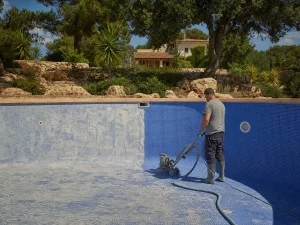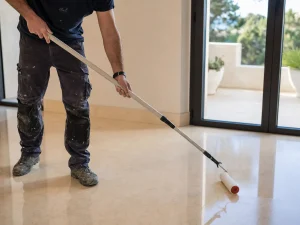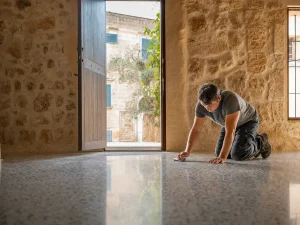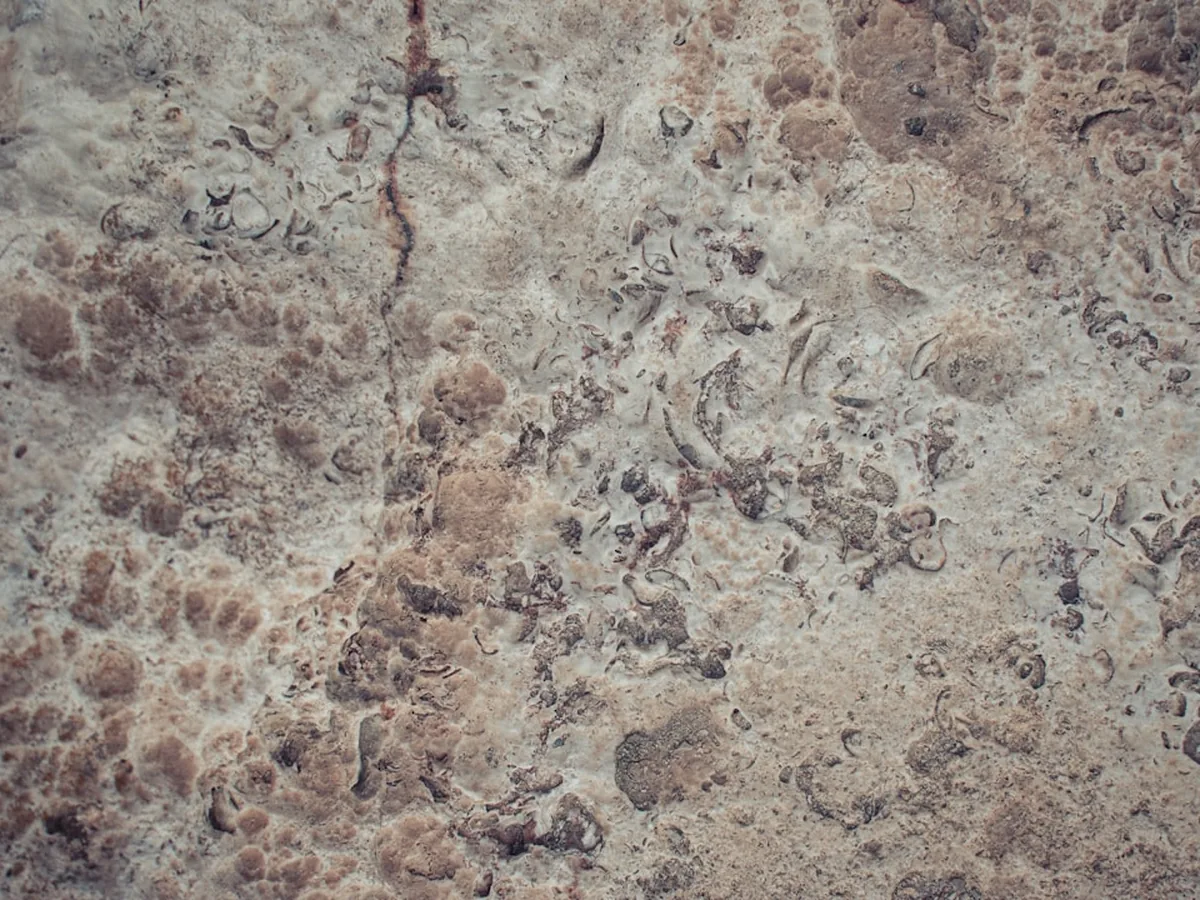
Mallorca's natural stone floors (marble, terrazzo, granite, marés, and Santanyí stone) require cleaning with neutral products, pore sealing, and periodic polishing or crystallization to maintain their condition. The island's proximity to the sea, salt air, and humidity demand specific care. Well-maintained, natural stone lasts for generations. Household acidic products are the most damaging Projectes Sastre we treat and restore natural stone throughout Mallorca with a free quote.
Natural stone is the soul of Mallorcan homes. Marble in stately apartments, terrazzo in mid-century buildings, marés stone on facades, and Santanyí stone in patios and plinths. It's a noble material, but not indestructible: foot traffic, humidity, and, above all, the wrong cleaning products gradually dull its luster. The good news is that natural stone maintains and recovers well if you know how. Let's see what care each type requires and how to preserve it for decades.
What types of natural stone floors are found in houses in Mallorca?
In Mallorcan homes, marble, terrazzo, granite, marés stone, and Santanyí stone are the predominant flooring materials. Each has a different hardness and porosity, and therefore requires different maintenance.
Marble, common in upscale areas, is beautiful but sensitive to acids. Terrazzo, made with marble aggregate, is the most common flooring in 20th-century apartments and takes polishing very well. Granite is the hardest and most resistant to foot traffic. Marés, the island's golden sandstone, is very porous and delicate. And Santanyí stone, a local limestone, provides that warm, Mallorcan tone. Knowing what type of stone you have is the first step to caring for it properly, because what works wonderfully for one stone can ruin another. We treat them all as soil restoration specialists in Mallorca.
How do you maintain a natural stone floor on a daily basis?
A natural stone floor is maintained by mopping it with water and a pH-neutral soap, avoiding acidic products such as vinegar, lemon, or hydrochloric acid, which damage the stone. Gentle and consistent cleaning is the best way to preserve it.
This is the most important thing, and what most people ignore. Acidic cleaners, so common in homes, react with the calcium carbonate in marble and terrazzo, leaving dull stains that look like burns and can only be removed by polishing. Hydrochloric acid is downright devastating to limestone. That's why the rule is clear: neutral soap, water, and little else. It's also advisable to quickly dry up spills of acidic liquids like wine, juice, or soda before they react. By doing this, your stone will last for years without any problems. We also explain this in our guide on... which flooring to choose based on its maintenance and durability.
How often should natural stone be polished or sealed?
Natural stone needs polishing or crystallization every 3 to 5 years in a typical home, and the pores need to be sealed after each polishing to protect it from stains. In high-traffic areas, these intervals are shorter.
Maintenance doesn't mean repolishing everything every few years. The usual approach is a reinforcing crystallization that restores shine to high-traffic areas, which is much faster and more economical than a full polish. Sealing the pores, on the other hand, is key for porous stones like marés or some limestones: it closes the surface and prevents moisture and stains from penetrating. A sealed stone is easier to clean and stains less. When to perform each treatment depends on the use and type of stone, and we can assess it during a free, no-obligation visit.
Table: Type of natural stone and recommended treatment
| Type of stone | Feature | Recommended treatment |
|---|---|---|
| Marble | Sensitive to acids, noble shine | Polishing + crystallisation |
| Terrazzo | Marble aggregates, very common | Polished + vitrified or crystallized |
| Granite | Very heavy, high traffic | Diamond cutting + sealing |
| Mares | Porous and delicate sandstone | Gentle cleaning + water repellent |
| Santanyí stone | Warm local limestone | Neutral cleansing + pore sealing |
The table summarizes the general criteria. Each specific soil type may require nuances depending on its condition and use, but the logic is always the same: respect the nature of the stone and protect it according to its porosity.
How do you restore a worn natural stone floor?
A worn natural stone floor is restored by polishing the surface to remove scratches and stains, repairing joints or damaged pieces, and then applying a sealant and a high-gloss finish. The process restores the original stone without the need to replace it.
Natural stone has a major advantage: since wear only affects the surface layer, polishing reveals the sound stone underneath, leaving the floor looking brand new. Marble and terrazzo are finished with crystallization or vitrification; granite with diamond polishing; and porous stones with water repellency. Pieces are only replaced when they are broken beyond repair. Therefore, before considering replacing a natural stone floor in Mallorca, it's worth evaluating its restoration: it's almost always more cost-effective. We work within the floor restoration in Mallorca.
Why does natural stone from Mallorca need special care?
Mallorca's natural stone requires special care because the Mediterranean climate, proximity to the sea, and salt air accelerate its deterioration, especially in more porous stones like marés and limestone. Humidity and salts are its main enemies.
On an island, salt is everywhere: in the air, in the breeze, in the water. This salt penetrates the pores of the stone, crystallizes, and gradually disintegrates it from within—a process particularly noticeable in areas near the coast. The Mediterranean humidity does the rest. That's why sealing and waterproofing here aren't an extra, but a real necessity for the stone to last. This care for traditional materials connects with the preservation of the heritage that the island safeguards Llei de patrimoni històric de les Illes Balears, which protects the island's stone architecture.
When NOT to use homemade products on natural stone
There are widespread home remedies that, when used with natural stone, do more harm than good. Do not use them when:
- Whether you have marble, terrazzo or limestone: vinegar and lemon will stain them permanently.
- If you want to remove limescale with hydrochloric acid: on limestone it is devastating and irreversible.
- Do not use scouring pads or metal brushes: they scratch the polished surface.
- Apply drugstore waxes or "miracle polishes": they create layers that trap dirt.
When faced with a stubborn stain or a dull floor, it's best to consult a professional before experimenting with harsh cleaning products. Improper cleaning can turn a minor cosmetic issue into a problem that can only be fixed by polishing.
Frequently asked questions about natural stone flooring in Mallorca
How do you clean a natural stone floor without damaging it?
A natural stone floor should be cleaned with water and pH-neutral soap, avoiding acids such as vinegar, lemon juice, or hydrochloric acid, which react with the stone and leave dull stains. Spills of acidic liquids should be dried promptly. Gentle and consistent cleaning is the best way to preserve the stone's shine and health in the long term.
How often should a marble or natural stone terrazzo floor be polished?
A marble or terrazzo floor needs polishing every 3 to 5 years in a typical home, and less frequently in high-traffic areas. It's usually not necessary to repolish the entire floor; a reinforcing crystallization treatment in high-traffic areas is sufficient. After each polishing, it's advisable to seal the pores to protect the stone from stains and moisture.
Why does natural stone stain with vinegar or lemon?
Natural limestone, such as marble and terrazzo, stains with vinegar and lemon because the acid reacts with the calcium carbonate in the stone and "burns" the surface, leaving a dull mark. This mark cannot be removed by scrubbing; it can only be eliminated by polishing. Therefore, acidic products should never be used to clean these types of floors.
Is it possible to restore a very worn natural stone floor without replacing it?
Yes, a worn natural stone floor can almost always be restored without replacing it. Since the wear only affects the surface layer, polishing reveals the sound stone underneath, leaving the floor looking like new. It is then sealed with crystallization, vitrification, or water repellent, depending on the type of stone. Only pieces that are broken beyond repair are replaced.
Shall we take care of your natural stone flooring in Mallorca?
If you have a marble, terrazzo, granite, or Mallorcan stone floor that you'd like to maintain or restore, let us take a look. We'll tell you what care it needs and, if restoration is necessary, we'll give you a free, fixed-price quote. Call us at +34 971 503 936, email us at info@projectessastre.com, or contact us via WhatsApp. We work with natural stone throughout Mallorca, drawing on over 50 years of experience. In the towns of Santa Ponsa, Portals, and Andratx, it's the most common material, and we treat it thoroughly Floor polishing in southwest Mallorca.