The surfaces of any façade are subject to a wide variety of external elements that deteriorate their condition. Therefore, the use of methods such as sandblasting is essential for optimal floor care.
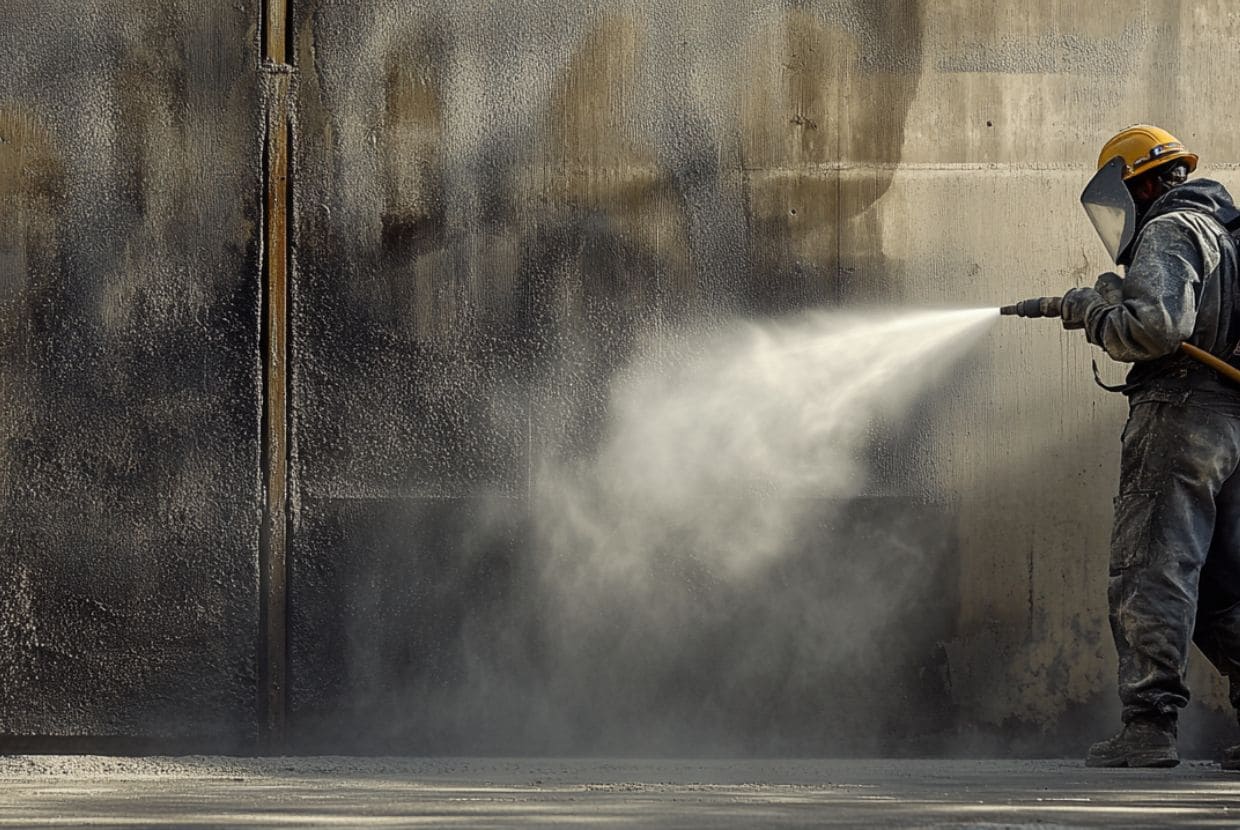
Sandblasting is a surface cleaning treatment that involves compressed abrasive blasting. This blasting hits surfaces and facades at high speed, removing all types of residue and dirt.
This methodology is ideal for eco-friendly cleaning of a wide variety of surfaces. Mainly because it's a method that offers many benefits and produces positive, long-lasting results.
What is Pressure Sandblasting?
In more detail, it's a process that uses a stream of abrasive material projected at high pressure to clean a surface. This cleaning technique employs materials such as silica sand or baking soda (among others) to remove various types of embedded dirt from facades or other surfaces.
In particular, it has the ability to remove old paint, grease, rust, graffiti...
On the other hand, sandblasting is a flexible process that can be customized to the type of project to produce better results. This means that the intensity and type of abrasive can be modified to suit the specific surface. This reduces the possibility of damaging the site during implementation.
This cleaning procedure is gaining popularity in land restoration and renovation projects due to its effectiveness. It is also a recommended technique for its ability to remove various contaminants from a variety of surfaces.
Applications and Benefits of Pressure Sandblasting
There are many situations in which sandblasting is the best method for cleaning a surface. Understanding how sandblasting works will make it easier for you to determine when to use this technique.
When to Use Pressure Sandblasting?
Sandblasting has a wide variety of uses, both in domestic and industrial settings. The main circumstances in which sandblasting is recommended include:
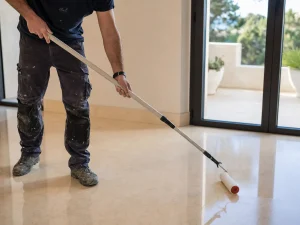
- Surface resurfacing to remove excessive dirt and leave the surface clean for a new finish.
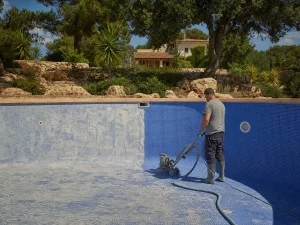
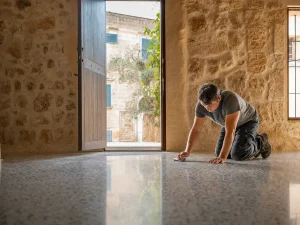
- The restoration of historic buildings to rectify existing damage, eliminate contaminants, and extend their durability.
- Industrial cleaning operation to remove rust from metals before applying a coat of paint or coating.
- Removal of old masonry or brick coverings to replace them with a homogeneous finish.
- Reduce the buildup of old paint or rust on vehicle components and other transportation equipment.
In addition to the aforementioned, sandblasting is used for cleaning heavy machinery, boat maintenance, and building renovations. It's also used for removing graffiti from facades .
Advantages over other cleaning methods
Compared to other cleaning methods, the technique of sandblast offers impressive benefits, particularly due to its effectiveness on a wide range of surfaces. Unlike other traditional options, this treatment generates long-term advantages that cannot be ignored, such as the following:
- It has a fast and effective application, reducing operating times to save money in the process.
- Removes all types of contaminants embedded in the surface, cleaning deeply to extend its useful life.
- With the right equipment, it is a safe application technique that presents no risks.
- Using the right materials, sandblasting can be environmentally friendly.
- It consistently produces positive results, ensuring a clean, smooth surface.
To enjoy the benefits of this cleaning treatment, it's essential to seek the assistance of specialized professionals. Otherwise, you'll be exposed to dust residue and the surface may be damaged in the process.
Frequently Asked Questions about Pressure Sandblasting
Is it suitable for all types of surfaces?
It is effective on a wide variety of surfaces, although it is not recommended for all types. In particular, the sandblasting method is not a suitable alternative for maintaining glass, ceramics, or plastics.
What precautions should be taken?
Preparation is essential for this procedure to be effective and minimize risks. Therefore, the following measures should be taken:
- Analyze the surface to identify the abrasive material and the correct pressure to perform the cleaning.
- Protect areas adjacent to the surface where sandblasting will be performed to prevent contamination.
- Dispose of waste generated during treatment to leave the surface spotless.
- Inspect the final results to ensure that the stated objectives have been met.
In addition, cleaning professionals must wear appropriate protective equipment.
How much does the service cost?
The final cost of sandblasting depends on several factors that need to be assessed from the outset. Specifically, the scope of the project and the materials to be used must be determined. Therefore, you should consult with your trusted company beforehand to plan your budget.
At Projectes Sastre we are specialists in pressure sand cleaning.
Are you interested in sandblasting services in Mallorca? At Projectes Sastre, we have the necessary personnel to carry it out. Our team, specialized in this innovative technique, has extensive experience and a good reputation in Mallorca. We invite you to contact us to tell us about your project and we will begin preparing a quote tailored to your needs.