How do you bring back the shine to a terrazzo floor?
Want to know how to bring back the shine to a terrazzo floor? We explain it in this article. Specialists in Mallorca. Get in touch.
- Updated 3 September 2026
- 10 min read
- Projectes Sastre, since 1972
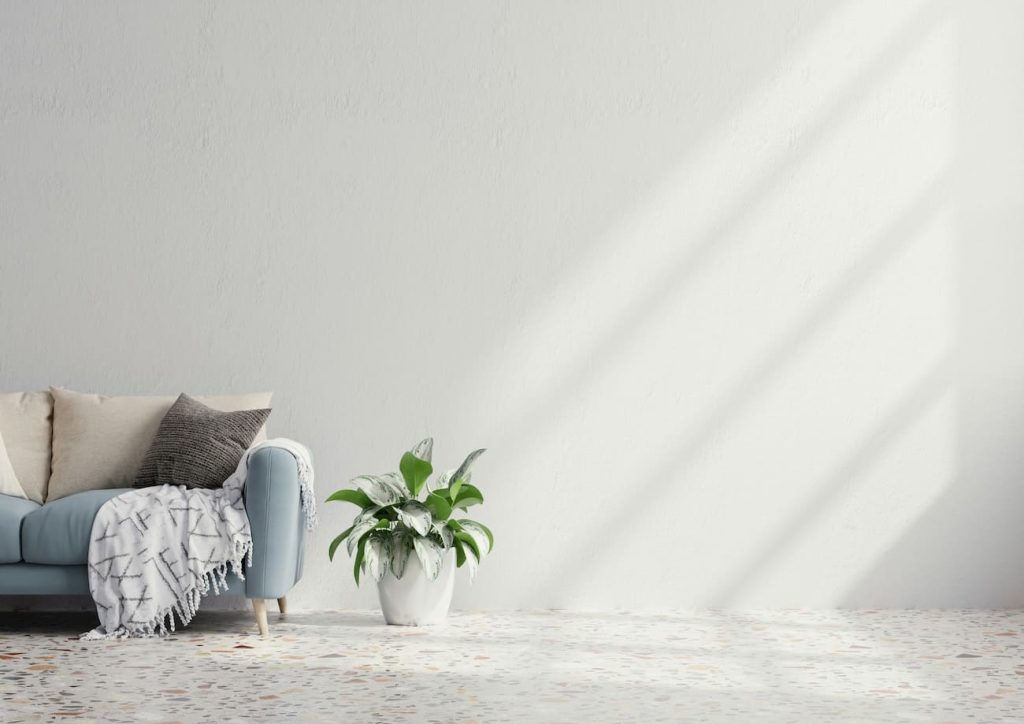
Terrazzo is one of the toughest and most rewarding floors there is. For decades it has been used in homes, apartment buildings, shops, schools, public buildings and high-traffic areas for its durability, ease of maintenance and good balance of looks and strength.
However strong it is, though, it isn't indestructible. Over the years, terrazzo can lose its shine, turn dull, show scratches, collect stains or start to look old. The good news is that, in most cases, the floor doesn't need replacing: a professional treatment can bring it back to life and restore much of its original look.
If you're wondering how to restore the shine to a terrazzo floor, the answer will depend on the condition of the flooring. A floor that's simply dull is not the same as a badly deteriorated terrazzo floor with deep stains or years of accumulated wear.
Why does a terrazzo floor lose its shine?
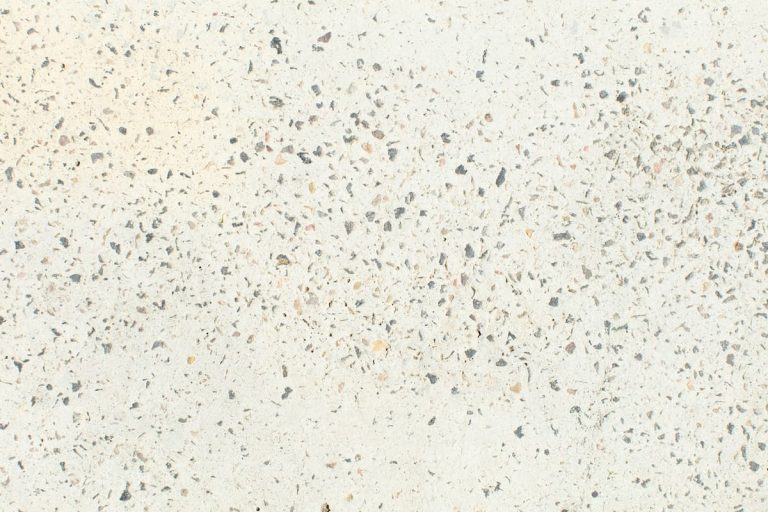
Terrazzo is made of fragments of stone, marble, or other aggregates mixed with cement or resins. It is a very durable flooring material, but its surface layer can wear down with daily use.
Loss of shine is usually due to several factors:
- Constant foot traffic.
- Sand or small abrasive particles brought in from the street.
- Unsuitable cleaning products.
- Dragging furniture, chairs or machinery.
- Built-up moisture.
- A lack of professional maintenance.
- The natural passing of time.
In private homes, wear and tear is usually noticeable in hallways, living rooms, entrances, and kitchens. In apartment buildings, it appears mainly in entrance halls, stairwells, and landings. In commercial premises, hotels, or offices, the loss of shine can be even faster due to the intensive use of the flooring.
Is it possible to restore the shine to terrazzo without changing the floor?
Yes. In many cases, terrazzo can be restored very well through polishing, buffing, or vitrification. In fact, one of the great advantages of this material is that it allows for professional treatments that renew its surface without needing to replace it.
Replacing a floor involves construction work, high costs, noise, debris, and longer execution times. In contrast, restoring a terrazzo floor with the right treatment can be a much more practical, quick, and cost-effective alternative.
It's important, though, to assess the condition of the floor first. If it has only lost its shine, buffing may be enough. If it has scratches, stains, uneven wear or very dull areas, it will probably need polishing before the final finish is applied.
Pre-cleaning: the first step before restoring shine
Before thinking about polishing or buffing, it's advisable to properly clean the floor. Often, terrazzo appears duller than it actually is because it has residue from products, ingrained dirt, or old layers of poorly applied wax.
For everyday maintenance, it's best to clean with water and a neutral product. Avoid harsh products, acids, strong bleach or homemade mixtures that can damage the surface. And don't overdo the water, especially on old floors or ones with damaged joints.
Even so, when the shine is truly lost, home cleaning is usually not enough. It might improve the appearance somewhat, but it won't restore the worn surface layer. That's where professional work comes in.
Terrazzo polishing: when the floor is worn
Terrazzo polishing is the recommended treatment when the floor shows wear, scratches, surface stains, irregularities, or an aged appearance. This process works on the top layer of the flooring to remove imperfections and leave a more uniform surface.
Polishing may be especially recommended when:
- The floor has visible scratches.
- There are some very dull areas.
- The colour of the terrazzo looks dull.
- There are marks from dragging furniture.
- The floor hasn't been maintained for many years.
- Some areas shine more than others.
- You want to refresh the floor after a renovation.
After polishing, the terrazzo is ready for a finish such as buffing or vitrification, which provides the final shine and protection.
Terrazzo buffing: when it needs to regain its brightness
Terrazzo buffing is used to bring back the shine to a floor that isn't too badly damaged. It's a less intensive treatment than polishing and is designed to improve how the floor looks.
This can be a good option if the floor is in generally good condition but has lost its brightness with use. For example, in a home where the terrazzo is cleaned properly but no longer reflects light as it once did.
Buffing helps bring out the colour of the material, makes the floor feel cleaner and gives the space a more cared-for look. In apartment buildings, offices or shops, it can also be used as regular maintenance to stop the floor deteriorating further.
Terrazzo vitrification: shine and protection
Terrazzo vitrification is a treatment that adds shine and a protective layer to the surface. It is usually applied after polishing or buffing to achieve a more resistant and durable finish.
This process is especially useful in high-traffic areas such as entrances, stairwells, landings, shops, hotels, offices, or public buildings. In addition to improving the appearance of the floor, it helps protect it from daily wear and tear.
Not all floors need vitrification, but in many cases it is a highly recommended solution to maintain the result for longer.
Difference between polishing, buffing and vitrifying terrazzo
One of the most common questions is what treatment the floor actually needs. Although the three concepts are related, they don't mean the same thing.
Polishing corrects the surface. It serves to remove wear, marks, minor irregularities, and surface scratches.
Buffing improves the shine and appearance of the floor. It's ideal when the terrazzo is in fairly good condition but looks dull.
Vitrification protects and provides a more durable finish. It helps maintain shine for longer, especially in high-traffic areas.
So before deciding, it's worth having the floor checked. Badly worn terrazzo won't look right with buffing alone, and a floor that's well preserved may not need a full polish.
Can an old terrazzo be restored?
Yes, and the result is often surprising. Old terrazzo floors tend to be very good quality and can respond very well to professional treatment. In old houses, traditional apartment buildings or buildings with history, restoring the terrazzo can be a way to preserve the original character of the space.
Furthermore, terrazzo is once again highly valued in interior design for its aesthetics, durability, and character. Therefore, before covering it up or replacing it, it's worth considering whether it can be restored.
Old terrazzo flooring may require a more extensive process: cleaning, polishing, repairing damaged areas, treating joints, and applying a final finish. However, when the material is structurally sound, restoration can be a much more attractive option than replacing the flooring.
How to maintain the shine of terrazzo after treatment
Once the shine has been restored, it's important to maintain it properly. Daily maintenance greatly influences how long the result lasts.
Some basic recommendations are:
- Clean with neutral products.
- Avoid bleach, acids, vinegar or limescale removers.
- Do not drag unprotected furniture.
- Place doormats at entrances from the street.
- Remove sand or abrasive dirt frequently.
- Do not apply household waxes without advice.
- Dry the damp areas thoroughly.
In busy spaces such as apartment buildings or shops, regular maintenance may be advisable to preserve the finish and stop the floor deteriorating quickly again.
Common mistakes when trying to make terrazzo shine
One of the most common mistakes is applying waxes or "miracle" products without knowing if they are suitable for the flooring. They may initially provide some shine, but over time they tend to build up layers, leave marks, attract dirt, or create an uneven finish.
Another common mistake is using overly harsh products to try to remove stains. Terrazzo is resistant, but certain chemicals can damage it or alter its appearance.
It's also common to insist on very aggressive cleaning methods when the problem isn't dirt, but wear and tear. If the surface layer is damaged, no cleaning product will truly and lastingly restore its original shine.
When to call a specialist company
It's advisable to hire professionals when flooring hasn't been maintained for years, has dull areas, scratches, persistent stains, or noticeable differences in sheen. This is also true after a renovation, before selling or renting a property, or when you want to update the look of a building, commercial space, or office without undertaking construction work.
A specialist company can determine if the floor needs technical cleaning, polishing, buffing, vitrification, or a combination of several treatments.
In this type of work, experience matters. Not all terrazzo surfaces are the same, nor do they all respond to the same treatment process. The type of aggregate, the condition of the surface, the age of the paving, and the use of the space all influence the choice of treatment.
Restoring the shine to a terrazzo floor in Mallorca
In Mallorca, many homes, apartment buildings, and other buildings have terrazzo floors that have lost their luster over time. This material is also commonly found in entrance halls, stairwells, shops, offices, and other high-traffic areas.
At Projectes Sastre we specialise in floor polishing in Mallorca, buffing, vitrification and floor restoration. We work with terrazzo, marble, granite, hydraulic tiles, concrete, terracotta and other materials, adapting each treatment to the real condition of the floor.
We have more than 50 years' experience in the sector and work for private clients as well as apartment buildings, hotels, shops and public buildings. If your terrazzo floor has lost its shine, shows wear or looks old, you may not need to replace it. With the right treatment, its looks can be restored and its life extended.
Frequently asked questions about how to restore the shine to terrazzo
How can I restore the shine to a terrazzo floor?
If the floor is just dull, buffing may be enough. If it has wear, scratches or stains, it's usually polished first and then given a gloss finish or vitrification.
Can terrazzo be buffed without polishing it first?
Yes, as long as the floor is in good condition. If it's badly worn or has visible marks, buffing alone won't be enough.
What's better for terrazzo: polishing or vitrification?
These treatments are not equivalent. Polishing corrects the surface, while vitrification protects and adds shine. In many cases, they are combined to achieve a more complete and lasting result.
Can old terrazzo be made to look like new?
It depends on the condition of the flooring, but many old terrazzo floors improve significantly with professional treatment. Before replacing it, it's worth assessing its restoration potential.
How long does the shine on terrazzo last?
It depends on usage, maintenance, and traffic. In homes, it can last a long time, while in apartment buildings, commercial premises, or hotels, it may require regular maintenance.
What products should not be used on terrazzo?
It's best to avoid acidic products, vinegar, strong bleach, limescale removers, and unsuitable waxes. For regular maintenance, it's safest to use neutral products.
Conclusion
Restoring the shine to a terrazzo floor is possible in most cases. The key is identifying whether the flooring needs cleaning, polishing, buffing, or vitrification. When the floor is simply dull, a surface treatment may suffice. When there is wear, scratches, or stains, a more comprehensive professional process is recommended.
Terrazzo is a tough, durable material with lots of character. Before replacing it, it's worth considering restoring it. With the right treatment, it can look clean, shiny and cared-for again for many years. If you'd like a professional to do it, you'll find what's included and what it costs on our page about terrazzo buffing in Mallorca.
Projectes Sastre Floor polishers in Mallorca since 1972, with a workshop in Inca: three generations polishing, vitrifying and restoring floors. Get to know us.